
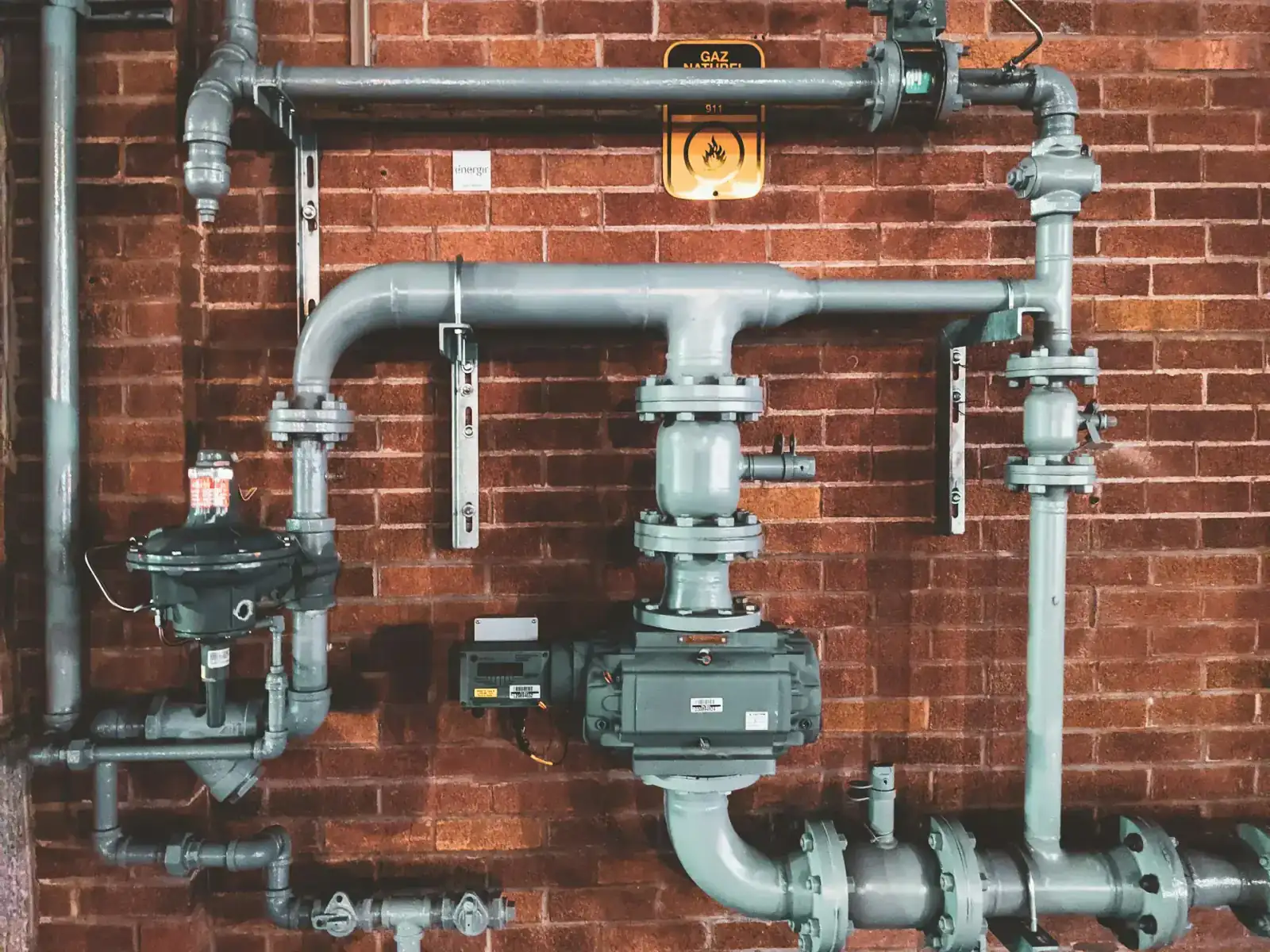
Your home's plumbing system quietly handles everything from morning showers to flushing toilets—until something goes wrong. Understanding how it works helps you spot problems early and make informed decisions about repairs or replacement.
If your home was built before 1985, there's a good chance you have cast iron drain pipes that may be nearing the end of their lifespan. This guide explains each component of your plumbing system, with special attention to the warning signs that indicate it's time for replacement.
Key Takeaways
- Three main systems: Supply (water in), drain-waste-vent (water out), sewer connection
- Cast iron lifespan: 50-75 years above ground, 25-50 years underground
- Warning signs: Slow drains, gurgling, sewage odors, discolored water
- Modern replacement: PVC pipes last 50-100+ years
Understanding Your Home's Plumbing System
Every residential plumbing system has three interconnected parts:
- Water Supply System: Brings fresh water into your home under pressure
- Drain-Waste-Vent (DWV) System: Carries wastewater out and maintains proper air pressure
- Sewer/Septic Connection: Links your home to municipal sewers or a private septic system
In older Texas homes, the DWV system often uses cast iron pipes—the same pipes that are now causing problems for homeowners across Austin, Houston, Dallas, and other cities.

Waste Drains: How Wastewater Leaves Your Home
Every sink, toilet, shower, and appliance connects to your drain system. These pipes carry wastewater by gravity—they slope slightly downward toward your main sewer line.
Types of Drain Pipe Materials
Your drain pipes are likely made from one of these materials:
| Material | Common Era | Lifespan | Key Issues |
|---|---|---|---|
| Cast Iron | Pre-1980 | 50-75 years | Rust, corrosion, cracks |
| PVC | 1970s-present | 50-100+ years | Joint failures (rare) |
| ABS | 1960s-present | 50-80 years | UV degradation if exposed |
| Clay/Terracotta | Pre-1960 | 50-60 years | Root intrusion, cracks |
⚠️ Cast Iron Alert
If your home was built between 1950-1985, you likely have cast iron drain pipes. These pipes are now 40-75 years old—past their expected lifespan. Learn how to identify cast iron pipes in your home.
How Drains Work
When you flush a toilet or run a faucet, wastewater flows through branch drains into larger drain stacks. These vertical stacks connect all fixtures to a main horizontal drain line that exits your home.
Key drain components:
- P-traps: The curved pipe under sinks that holds water to block sewer gases
- Branch drains: Small pipes (1.5-2") connecting individual fixtures
- Drain stacks: Vertical pipes (3-4") that collect from multiple fixtures
- Main drain: Large horizontal pipe (4-6") exiting to sewer
- Cleanouts: Access points for clearing blockages
Vent System: Why Your Drains Need Air
Ever wonder why your roof has pipes sticking out of it? Those are plumbing vents, and they're essential for proper drainage.
What Vents Do
When water rushes down a drain, it pushes air ahead of it and creates a vacuum behind it. Without vents:
- The vacuum would siphon water out of P-traps
- Sewer gases would enter your home
- Drains would gurgle and drain slowly
Vents allow air to enter the system, equalizing pressure so water flows smoothly and traps stay sealed.
Signs of Venting Problems
- Gurgling sounds when water drains
- Slow drainage in multiple fixtures
- Sewage odors near drains or fixtures
- Bubbles in toilet bowl when shower drains
Venting issues can indicate blocked vents, improper installation, or deteriorating cast iron vent pipes. A professional inspection can identify the source.
Water Supply: Fresh Water Into Your Home
While this guide focuses on drain systems (where cast iron problems occur), understanding water supply helps you see the complete picture.
Supply System Basics
Municipal water enters your home through a main supply line at 40-80 PSI pressure. Key components include:
- Main shutoff valve: Controls all water entering your home
- Water meter: Measures consumption (usually outside)
- Pressure regulator: Maintains safe pressure levels
- Water heater: Heats water for hot supply lines
- Branch lines: Distribute hot and cold water to fixtures
Modern supply lines use PEX (flexible plastic) or copper. Unlike cast iron drain pipes, these materials rarely need replacement before 50+ years.
Sewer Connection: Where It All Goes
Municipal Sewer vs. Septic Systems
Your home connects to either a municipal sewer system or a private septic system:
Municipal Sewer
- Connects to city sewer main under street
- You're responsible for line to property edge
- City handles treatment
- Most urban/suburban Texas homes
Septic System
- Private tank on your property
- You're responsible for everything
- Requires periodic pumping
- Common in rural Texas areas
Sewer Line Problems
The sewer line connecting your home to the municipal system is where many cast iron problems occur. This underground pipe often deteriorates faster due to soil contact and moisture.
Common sewer line issues:
- Tree root intrusion through cracks
- Bellied pipes (sagging sections that collect debris)
- Offset joints from ground shifting
- Complete collapse in severely corroded sections
A camera inspection ($150-$350) can reveal the condition of your sewer line before problems become emergencies.

When to Consider Replacing Your Plumbing
Not every plumbing issue requires full replacement. Here's how to evaluate your situation:
Signs Your Cast Iron Pipes Need Replacement
- Age: Pipes over 50 years old in high-risk zone
- Frequent backups: Multiple clogs per year despite cleaning
- Slow drains everywhere: Not just one fixture
- Sewage odors: Persistent smell indicates cracks or failures
- Discolored water: Brown/rust color from corroding pipes
- Visible rust/corrosion: On exposed pipes in basement/crawlspace
- Pest problems: Roaches/rodents entering through pipe cracks
Learn more about 7 warning signs your cast iron pipes need replacement.
Repair vs. Replace Decision Guide
| Situation | Recommendation |
|---|---|
| Single crack or leak | Spot repair may work |
| Multiple problem areas | Consider full replacement |
| Pipes under 40 years old, minor issues | Repair + monitor |
| Pipes over 50 years old | Proactive replacement recommended |
| Planning to sell home | Address issues pre-sale |
Use our repair vs. replacement decision guide or cost calculator to evaluate your options.
Next Steps for Texas Homeowners
If your home has aging cast iron pipes, here's what we recommend:
- Identify your pipes: Use our visual identification guide to confirm what material you have.
- Check for warning signs: Review our warning signs checklist for early indicators of problems.
- Get a camera inspection: A $150-$350 inspection reveals your pipe condition definitively.
- Compare replacement costs: Use our cost calculator to estimate based on your home size.
- Get multiple quotes: Connect with trusted local specialists in your city.
Need Help With Your Plumbing System?
Whether you need an inspection or full cast iron pipe replacement, we connect Texas homeowners with trusted local specialists.
Related Articles
Find Cast Iron Pipe Specialists in Your City
Connect with trusted local specialists across Texas and California.